
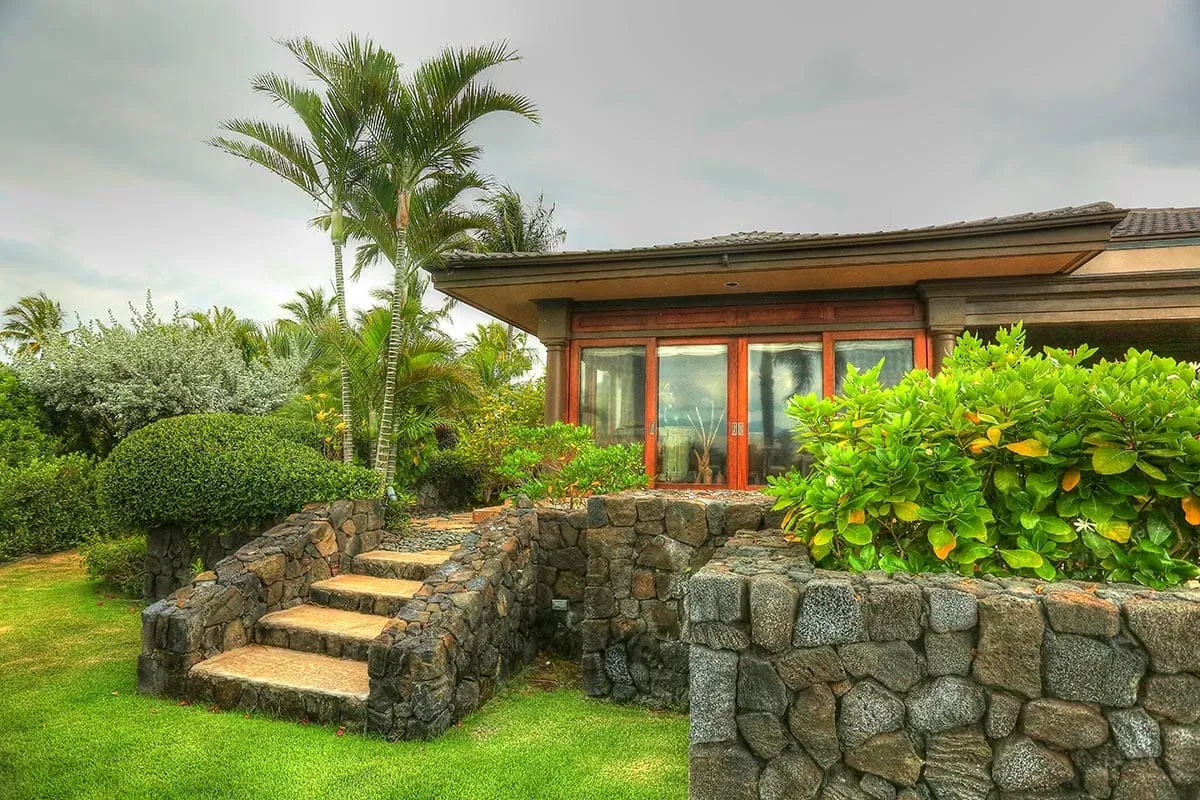
Hawaii’s soil and irrigation needs are closely connected.
The type and depth of soil on a property affect how quickly water drains, how long moisture remains available to plant roots, and how frequently an irrigation system should run. This is especially important in Hawaii, where soil conditions can range from deep, weathered volcanic soil to shallow cinder, exposed lava rock, and coastal sand.
An irrigation schedule that works well for one Hawaii property may result in dry plants, standing water, or runoff on another. Understanding the soil is therefore an important part of creating a healthy, water-efficient landscape.
An Overview of Hawaii’s Soil
Much of Hawaii’s soil developed from volcanic materials, including lava rock, ash, and cinders. However, soil formation is also influenced by rainfall, elevation, climate, vegetation, and the age of the underlying volcanic material. As a result, Hawaii does not have one uniform type of volcanic soil.
Some older volcanic-ash soils can retain significant moisture while maintaining good structure and drainage. In contrast, areas with young lava flows, shallow soil, or large amounts of coarse rock may retain relatively little water or nutrients.
A single property may also contain several different soil conditions. A landscaped bed filled with imported soil may retain water differently from an adjacent lawn, rocky slope, or planting area cut into lava. These differences directly affect irrigation performance.
How Volcanic Soil Affects Irrigation
Whether volcanic soil requires more or less irrigation depends on its texture, depth, age, organic matter, and drainage.
Weathered Volcanic Soil
Deep, weathered volcanic soil can hold considerable moisture. This may reduce how frequently plants need irrigation, but the soil must still be monitored carefully.
If water is applied faster than the soil can absorb it, the landscape may become saturated or produce runoff. Plants growing in moisture-retentive soil may benefit from less frequent watering with enough time between cycles for excess moisture to drain.
Lava Rock and Coarse Cinder
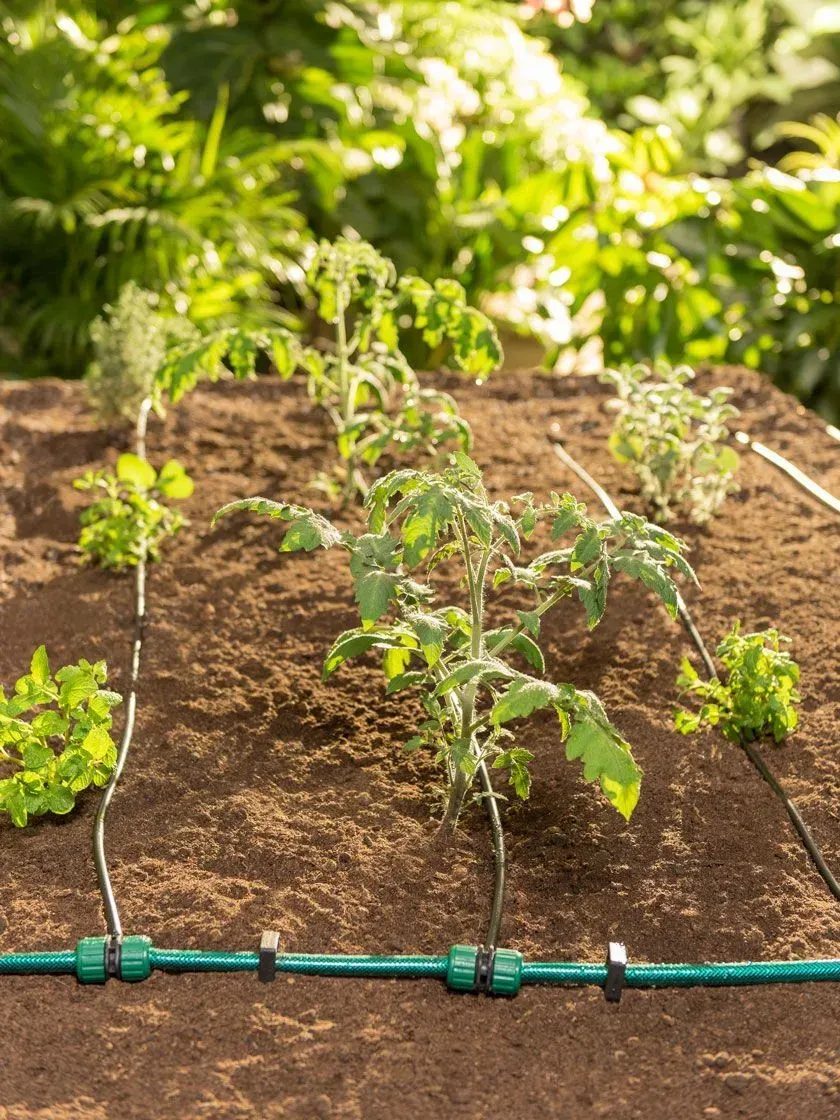
Young volcanic landscapes can present the opposite challenge. Shallow soil mixed with lava rock or coarse cinder may drain quickly and hold less nutrients. In these areas, irrigation may need to run in shorter, carefully controlled cycles. Drip irrigation can help apply water close to individual plants rather than spraying large areas of rock or bare ground.
Volcanic Soil Compared With Beach Sand
Beach or coral sand generally allows water to drain very quickly. It also tends to retain less moisture and fewer nutrients than developed soil. Plants growing in sandy coastal conditions may require smaller amounts of water applied more frequently, particularly while they are becoming established. However, excessive irrigation can move water and nutrients below the root zone.
Volcanic soils are more variable. Deep volcanic-ash soil may retain much more water than beach sand, while rocky lava or coarse cinder may behave more like a rapidly draining material. This is why irrigation should be based on the conditions of the property rather than the assumption that all Hawaii soil behaves the same way.
Signs Your Soil or Irrigation System May Need Attention
Homeowners may notice warning signs that the soil is receiving too much or too little water.
Possible signs include:
- Standing water or persistent puddles
- Runoff during irrigation
- Soil that remains wet for several days
- Dry or powdery soil below the surface
- Yellowing, wilting, or curling leaves
- Brown patches in lawns or planting beds
- Uneven moisture across the landscape
- A sudden increase in water use
These symptoms do not always identify the exact cause. They may result from improper scheduling, poor drainage, damaged irrigation equipment, uneven sprinkler coverage, or a hidden leak.
If these conditions continue, a professional irrigation evaluation can help determine whether the problem is related to the soil, the irrigation system, or both.
How Irrigation Solutions and Landscape Can Help
Healthy soil and proper irrigation work together, but the right approach depends on the property. Soil depth, drainage, slope, underlying rock, plant needs, rainfall, sun exposure, and local microclimates can all affect how quickly water is absorbed and how long it remains available to plant roots.
Because these conditions may vary across the same property, irrigation should be adjusted by zone rather than managed with one fixed schedule. Irrigation Solutions and Landscape designs, evaluates, and maintains irrigation systems according to the conditions of each Hawaii property.
Our services include:
We can evaluate irrigation zones, sprinkler and drip coverage, controller settings, water pressure, drainage, leaks, and overall system performance.
Whether your property has deep volcanic soil, rocky lava, cinder, or sandy coastal conditions, the irrigation system should deliver water at a rate the soil and plants can use.
Contact Irrigation Solutions and Landscape to improve irrigation efficiency, address system problems, and support a healthier landscape.