
Low water pressure in a sprinkler system can result from clogged sprinkler heads, leaking pipes, faulty valves, or problems with the water supply. When water pressure drops, sprinklers may struggle to reach the intended areas, leaving dry patches and uneven watering throughout your landscape.
For Kona homeowners, identifying the cause of low sprinkler pressure is important for maintaining healthy landscaping and preventing unnecessary water waste. Some problems can be resolved with simple maintenance, while others require professional irrigation repairs.
What Causes Low Water Pressure in a Sprinkler System?
Several issues can affect how water moves through an irrigation system. The most common causes include:
1. Clogged Sprinkler Heads
Dirt, sand, and other debris can accumulate inside sprinkler nozzles and filters, restricting water flow. Clogged sprinkler heads may produce weak spray patterns, uneven coverage, or shorter spray distances.
Cleaning or replacing affected nozzles can help restore proper water distribution.
2. Underground Irrigation Leaks
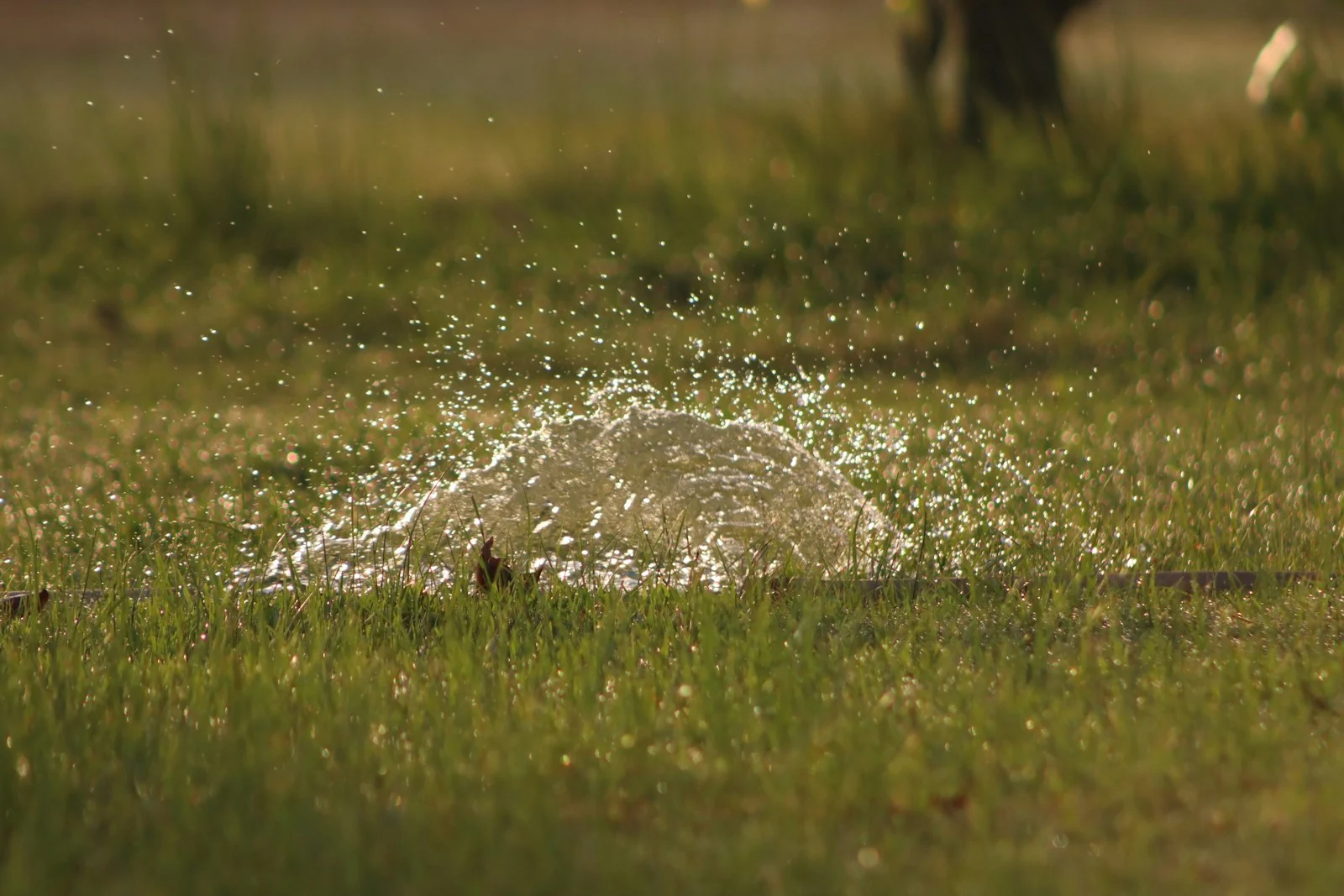
Cracked pipes, loose fittings, and damaged irrigation lines can allow water to escape before reaching sprinkler heads.
Underground leaks aren’t always visible, but signs may include unusually wet soil, unexplained puddles, or sections of lawn that remain greener than surrounding areas.
3. Faulty or Partially Closed Valves
Irrigation valves control water flow to individual sprinkler zones. A valve that is damaged, obstructed, or not fully open can restrict water delivery and cause low pressure.
If only one sprinkler zone experiences reduced pressure, the problem may be related to that zone’s valve or irrigation lines.
4. Too Many Sprinkler Heads on One Zone
Every irrigation zone requires enough water flow and pressure to operate its sprinkler heads effectively.
When too many sprinklers operate on one zone, the available water supply may not support proper coverage. This can result in weak spray patterns and dry areas throughout the landscape.
5. Water Supply or Pressure Problems
Low water pressure may also originate from the property’s water supply, pressure regulator, or irrigation shutoff valve.
If multiple sprinkler zones suddenly experience weak pressure, the issue may involve a shared component rather than individual sprinkler heads.
Signs Your Sprinkler System Has Low Water Pressure
Low water pressure can affect sprinkler performance in several ways.
Common warning signs include:
- Sprinkler heads that do not fully pop up
- Weak or inconsistent water spray
- Dry patches or uneven lawn coverage
- Water failing to reach intended planting areas
- Noticeably reduced pressure in one or more irrigation zones
How to Troubleshoot Low Sprinkler Water Pressure
Before scheduling repairs, homeowners can perform a few basic checks to help identify the problem.
Start by checking individual sprinkler zones. Run each zone separately to determine whether low pressure affects the entire system or only certain areas.
Next, inspect visible sprinkler heads for dirt, damage, or blocked nozzles. Look for unusually wet ground, pooling water, or other signs of an irrigation leak.
If pressure is low across every zone, check whether other household fixtures are experiencing similar problems. This may help determine whether the issue is related to the irrigation system or the property’s water supply.
Avoid adjusting unfamiliar valves, pressure regulators, or backflow prevention equipment without professional guidance, as incorrect adjustments can create additional problems.
Can Low Sprinkler Pressure Increase Water Waste?
Yes. Low sprinkler pressure can prevent water from reaching the intended areas, creating uneven coverage and dry patches.
Homeowners may respond by increasing irrigation runtimes, but longer watering cycles do not necessarily correct the underlying problem. Instead, some areas may receive excessive water while others remain dry.
Addressing the cause of low pressure can improve water distribution and help prevent unnecessary irrigation waste.
When Should You Schedule Sprinkler Repairs?
If low water pressure continues after basic troubleshooting, the problem may involve underground leaks, damaged valves, or other irrigation components.
A professional inspection can help identify the cause, restore proper water distribution, and prevent further water waste.
Irrigation Repair Services in Kona
Irrigation Solutions and Landscape helps Kona homeowners diagnose low sprinkler pressure, locate leaks, and repair irrigation system problems.
Learn more about our Irrigation Repair Services in Kona or contact us today to schedule an irrigation assessment and get your sprinkler system working efficiently again.